
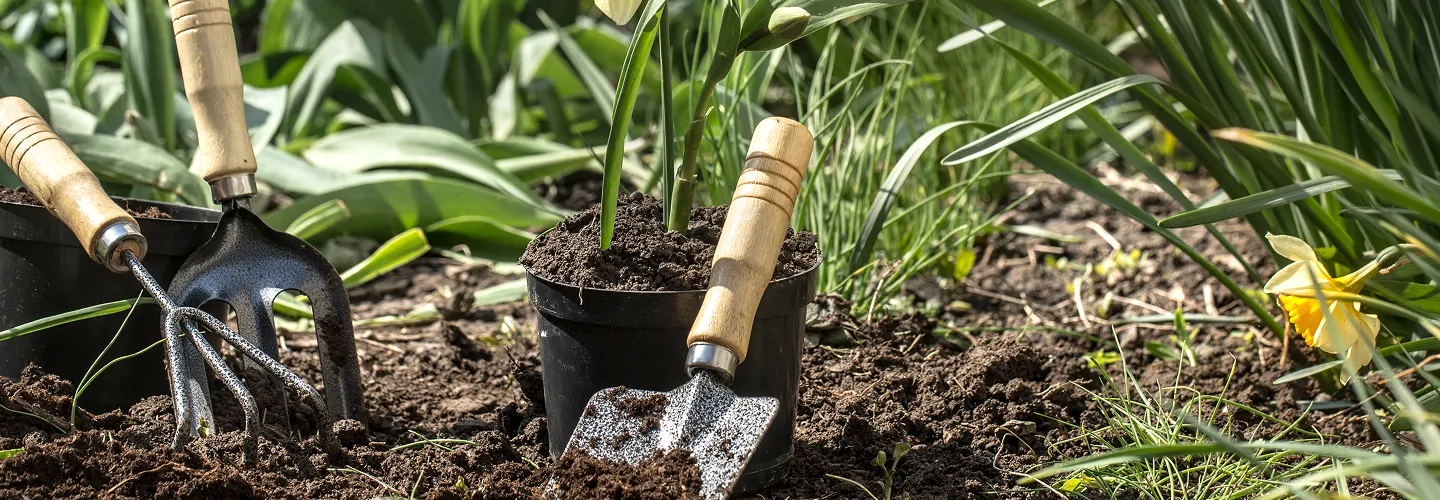
Timberwood Park Weeding Services
Choose our expert weeding services for a healthier, more vibrant landscape—our team removes unwanted growth efficiently, ensuring your garden thrives and your property looks its best all season long.
Get a Free QuoteOur Timberwood Park Landscaping & Yard Care Services
When to Schedule Weeding in Timberwood Park, Texas – Seasonal Guide
In Timberwood Park, Texas, the best times to schedule weeding are typically in early spring and late fall, when temperatures are moderate and soil moisture is optimal for removing unwanted growth. The area’s unique blend of limestone-rich soils, rolling terrain, and microclimates—especially near neighborhoods like Canyon View and the Timberwood Park Clubhouse—means that weed growth patterns can vary significantly from one property to another. Early spring weeding helps prevent invasive species from taking hold as the weather warms, while a late fall session ensures your landscape is tidy before winter dormancy sets in.
Local environmental factors play a crucial role in determining the ideal weeding schedule. For example, Timberwood Park’s proximity to the Balcones Escarpment results in variable shade coverage and soil drainage, impacting weed proliferation. Homeowners should also consider the area’s average last frost date in March and the potential for summer droughts, which can stress turf and make it more susceptible to weed invasion. For more information on local climate and environmental resources, visit the Sudbury municipal site.
Local Factors to Consider for Weeding in Timberwood Park
- Tree density and shade coverage, especially in established neighborhoods
- Soil type and drainage, influenced by limestone and clay content
- Seasonal precipitation patterns and drought risk
- Terrain variations, including slopes and rocky areas
- Municipal restrictions or guidelines on herbicide use
- Proximity to landmarks like Timberwood Park Clubhouse or Canyon View
- Timing around average frost dates and periods of high humidity
Benefits of Weeding in Timberwood Park

Enhanced Curb Appeal
Healthier Plant Growth
Reduced Pest Infestation
Improved Soil Quality
Increased Property Value
Professional and Reliable Service

Timberwood Park Weeding Types

Hand Weeding
-
Mulch Application
-
Pre-Emergent Weed Control
-
Post-Emergent Herbicide Treatment
-
Mechanical Weeding
-
Landscape Fabric Installation
-
Selective Weed Removal
Our Weeding Process
Site Evaluation
Weed Identification
Targeted Removal
Soil Treatment
Final Inspection
Why Choose Timberwood Park Landscape Services

Timberwood Park Homeowners Trust Us
-
Comprehensive Lawn Maintenance
-
Reliable Irrigation Solutions
-
Expert Tree and Shrub Care
-
Seasonal Clean-Up Services
-
Competitive Pricing
-
Professional and Courteous Team
-
Satisfaction Guarantee
Soil Series and Drainage Patterns Affecting Weeding in Timberwood Park
Timberwood Park’s landscape is defined by Vertisols and Mollisols, including the Houston Black clay and Branyon clay loam, as identified by the USDA Web Soil Survey. These soils are characterized by high clay content, moderate to poor drainage, and a pH typically ranging from 7.2 to 8.0. Such conditions promote vigorous weed growth, especially in low-lying or compacted areas. Effective weeding requires soil disturbance to a depth of 2-3 inches to disrupt weed root systems. Soil testing is recommended every 2-3 years, with services available through Texas A&M AgriLife Extension. For persistent weed issues, compost incorporation (2-3 inches tilled to 6-inch depth) can improve soil structure and reduce compaction. Residents should avoid chemical applications during saturated soil conditions to prevent runoff into local creeks and drainageways.
Bexar County Environmental Services Department
1948 Probandt St, San Antonio, TX 78214
Phone: (210) 335-6700
Official Website: Bexar County Environmental Services Department
Seasonal Timing and Weather Considerations for Weeding in Timberwood Park
Weeding in Timberwood Park is most effective during the spring and fall, when soil temperatures range from 60°F to 75°F and weed seedlings are most vulnerable. According to the National Weather Service Austin/San Antonio Office, optimal windows are March 15–May 15 and September 15–November 1. Avoid weeding during peak summer (June–August), as high temperatures and drought stress can damage desirable plants and reduce the effectiveness of manual or chemical control. Monitor local rainfall and soil moisture to prevent soil compaction and erosion during removal. For weather updates and soil temperature data, consult the National Weather Service. Recommended timing guidelines:
- Spring: March 15 – May 15 (soil temp 60–75°F)
- Fall: September 15 – November 1
- Avoid: June–August (heat/drought stress)
Municipal Coordination and Yard Waste Disposal Protocols in Timberwood Park
Proper disposal of weeding debris is regulated under Bexar County’s solid waste management protocols. Yard waste, including weeds and brush under 4 feet, is collected weekly on Thursdays from April through November. Residents must use biodegradable bags or 32-gallon reusable bins; plastic bags and branches over 4 inches in diameter are prohibited. Debris should be placed curbside by 7:00 AM on collection day. For large volumes, the county transfer station accepts yard waste during posted hours. Compliance with these procedures prevents stormwater contamination and supports local MS4 permit requirements under the Clean Water Act. For questions on collection schedules or accepted materials:
Bexar County Public Works Department
1948 Probandt St, San Antonio, TX 78214
Phone: (210) 335-6700
Official Website: Bexar County Public Works Department
Environmental Compliance: Buffer Zones and Stormwater Protection in Timberwood Park
Weeding activities in Timberwood Park must comply with buffer requirements to protect local creeks, wetlands, and stormwater infrastructure. The Texas Water Code and MS4 permit prohibit the disposal of plant debris or soil within 25 feet of wetlands or storm drains. No herbicide or fertilizer applications are allowed within 50 feet of water bodies. Residents are required to maintain vegetative buffers and avoid disturbing soil in designated conservation areas. Violations may result in fines or remediation orders. For guidance on buffer zones and environmental compliance:
- Maintain 25-foot no-disturbance buffer from wetlands
- Prohibit debris in storm drains
- No chemical applications within 50 feet of water bodies
Texas Commission on Environmental Quality (TCEQ)
12100 Park 35 Circle, Austin, TX 78753
Phone: (512) 239-1000
Official Website: Texas Commission on Environmental Quality
Safety Standards and Equipment Operation for Weeding in Timberwood Park
All weeding operations in Timberwood Park must adhere to local safety and noise ordinances. Equipment operation is permitted:
- Monday–Friday: 7:00 AM – 7:00 PM
- Saturday: 8:00 AM – 6:00 PM
- Sunday and holidays: Prohibited Operators must use commercial-grade trimmers and maintain mufflers to keep noise below 85 decibels at property lines. Personal protective equipment (PPE) is required, including ANSI Z87.1 safety glasses, hearing protection for noise above 85 dB, steel-toed boots, and cut-resistant gloves. When working near public roads, high-visibility vests and a 15-foot safety perimeter are mandatory. For further details on safety protocols and compliance:
Bexar County Public Works Department
1948 Probandt St, San Antonio, TX 78214
Phone: (210) 335-6700
Official Website: Bexar County Public Works Department
What Neighborhoods Do We Serve Throughout Timberwood Park, TX?
- Timberwood Park Estates: Features expansive lots with Houston Black clay soils, requiring deep soil disturbance and careful drainage management during weeding.
- The Bluffs at Timberwood: Characterized by sloped terrain and mature oak stands, necessitating erosion control and buffer zone compliance near natural drainageways.
- The Ridge at Timberwood Park: Newer development with compacted fill soils and active HOA landscaping standards, impacting weed control methods and debris disposal.
- The Summit: Elevated lots with limestone outcrops and shallow soils, presenting unique challenges for root removal and equipment access.
- The Oaks: Dense tree canopy and proximity to seasonal creeks require strict adherence to stormwater protection and debris containment protocols.
- The Enclave: Smaller lots with mixed soil types and close property lines, where noise ordinance compliance and precise equipment operation are critical.
- The Reserve: Adjacent to conservation areas, demanding strict buffer maintenance and avoidance of chemical applications near protected habitats.